
Blame’s Fault

photo-1461855445185-0ee4225d40b5

Blame’s Fault

I like finding answers to the problems in life. I know that’s impossible, and that chasing one single answer to everything will drive me a little crazy, but this week I feel like I’m getting close.

Really. Close.

I’ve decided that when things go sideways, it’s Blame’s fault. Blame was especially obnoxious this past week.

Blame was there when my kids were pounding on each other in the back of the car while I was just trying to get them to school on time. You know the script. “He looked at me funny!” “His arm’s on my side!”

Blame was there again when I found more than one mistake in my own work at the start of September. Obviously it was back-to-school’s fault. Too much going on.

It showed up in nearly every conversation I had last week, with people in the middle of their own separations, with friends blaming themselves for their own misery. It sidetracked me from getting anything done. Every day I tried to write this post about Blame, and every day Blame thwarted me. Wouldn’t submit. Darn you, Blame.

But I think I’ve finally got your number.

I’m done with you. Here’s why.

Every time you show up, you distract everyone from what’s actually going on. You’re a trickster. You steal the show. You’re a piece of glitter nobody can look away from, once you’re in the room, you’re all anyone can see.

You trap people. You get them so busy proving you wrong that they forget the person on the other side of you isn’t actually the enemy, they’re just someone dodging and weaving, trying to get away from you, while you get used as both shield and sword.

You lock people into thinking there’s one right answer. The world isn’t black and white, Blame.

And worst of all, you’re the weapon people turn on themselves.

So move aside. Make room for communication, understanding, forgiveness.

I’m done with you, Blame. I’m moving on.

The Importance and Contradiction of Alone Time

A photo by Joshua Earle. unsplash.com/photos/ZMcLVBi9xx4

The Importance and Contradiction of Alone Time

School’s back, and so is the annual pressure to sign my kids up for everything. I’ve bought in, fully. My older son is resisting hard, and I need to let him win this one, right after I sign him up for swimming, choir, and cross country. Just for the bus ride after school to the park near us, obviously.

Dance is where I’m really stuck.

I put him in dance a couple of years ago because team sports never clicked for him, and because at the beach, a place he claims to hate, he’d break into dance completely unprompted. I decided that meant dance was his happy place. He did well. I loved the year-end concerts. His teacher told me he was a natural.

Now he tells me it’s boring. Same moves, over and over, one more obligation to please people, including me, including the woman who runs the studio. I still want to sign him back up anyway, because if he doesn’t keep at it, how will he ever know what he actually loves? He’ll fall behind. He’ll lose the thing that lit him up at the beach.

That’s the argument running in my head, the one currently badgering my kid into a dance class he’s already told me he hates.

This weekend gave me a clearer look at what’s actually going on.

My hiking trip got rained out. No kids; they were with their dad, no plans, an entire Saturday stretching out empty in front of me. I texted a friend to see if she still wanted to hike in the downpour. No. So I sat on my couch and felt the whole day loom.

I ran to my closet, put on my gear, and drove myself straight to the Grouse Grind. Came home, worked for a while, and when that wore off, I started beating myself up for having no life outside of work and exercise, so I started texting everyone I know. A friend offered to have me over to cook with her.

I hate cooking, always have, despite coming from a family of genuine foodies. When she asked, I realized what I actually wanted was to stay home, alone. She heard that in my voice, laughed, and told me to make a to-do list instead, something to distract myself from the “I’m alone” thoughts.

So I made the list. I’m a very dutiful friend, and as I started writing things down, I felt a small flicker of panic that the list was eating into my alone time. Which was absurd the moment I noticed it. I’d been upset about having alone time in the first place, wanting to fill it, and the second I actually started filling it, I missed the alone time instead.

I went to yoga instead. Then that same friend, the one who years ago introduced herself by randomly offering pizza to strangers walking past her house, invited me over for exactly that: bacon and potato pizza. I said yes. I came home that night, still alone, and it was fine. Completely fine. I went to bed happy and woke up happy.

Which brought me back to my son and his dance class.

Filling up every hour of a kid’s schedule teaches them that being alone, or bored, is a problem to be solved rather than a state worth sitting in. My son is an introvert, and he’s also a rule-follower, which means he does the thing he’s told even when he’s already said he doesn’t want to. I’ve been telling him he’s wrong to want out of dance, while insisting, in the same breath, that all I want for him is his own happiness. Those two things don’t actually fit together.

He needs time that isn’t scheduled toward anything, the same kind of time I finally gave myself this weekend, if he’s ever going to find out on his own what actually lights him up. Not because someone signed him up for it. Because he found it, the way he found the beach dancing nobody asked him to do.

How do You Know When to Pull the Plug on Your Marriage?

photo-1473773386757-42bbe7288351

The Two Fears That Almost Kept Me Married

When do you decide to give up on a marriage, actually call it quits, and ask for a divorce?

I ask because I honestly don’t know the answer. I never made that decision myself; my ex made it for both of us. Left to my own devices, I probably would have stayed until death do us part. I have a high tolerance for pain, and I’ve always preferred trying to fix things over walking away from them. I still want an answer, even though I’m slowly learning there isn’t a clean one, which is basically why I’m writing this at all. When do you actually call it quits?

Put another way: what’s actually stopping you from initiating a divorce, if part of you wants to?

From what I’ve seen, mostly fear. Two fears in particular tend to do the heaviest lifting: money and the kids.

Let’s take them head-on.

Fear One: You’ll Be Much Worse Off Financially

Being poor was one of my fears too. Combined, my husband and I could live comfortably in an expensive city on one income. Divorced, that math falls apart. I’d need a job, we’d need childcare, we’d need to split assets and fund two households instead of one. Both our standards of living would drop. That was a genuinely depressing thought, enough on its own to keep divorce off the table. I’d rather be unhappy and financially stable than happy and broke, or so I believed at the time.

My divorce happened anyway, and yes, my net worth dropped. My cash flow took a real hit. That brought real anxiety with it. I used to build monthly budgets just to confirm, yet again, that there wasn’t enough coming in to cover what was going out, which only fed the anxiety further, until I finally made the connection that stressing myself into a spiral wasn’t actually accomplishing anything.

Eventually I realized I’d always managed, one way or another. I cut my spending, found ways to bring in more money, made decisions, and kept moving forward in a direction that matched what I wanted for my life. For some people that means earning more. For others, it means spending less. Either way, there’s usually a path through.

Three years out, I can say plainly: being happier on my own is worth far more than what the divorce cost me financially.

Fear Two: The Kids Will Suffer

I’d been the primary caregiver for our two kids, four and six at the time we separated. I genuinely couldn’t picture their dad managing them alone for half their lives. Surely they’d go unfed, unbathed, put to bed late, and laundry would pile up forever. And beyond the logistics: my kids wouldn’t be with me for half their lives. They were four and six. They needed their mother. I needed them. They were, in a lot of ways, my whole purpose.

To be clear, my kids wanted us to stay together. My youngest once cooked up a plan where I’d rent an apartment in the same building as his dad, so we could live down the hall from each other. Adjusting to only having one parent around at a time was hard on them at first. But they adjusted. Honestly, it wasn’t even that different from before; my ex and I had barely occupied the same room together for the two years leading up to our separation anyway. They still have to manage two different sets of house rules, switching gears twice a week, but that’s just life. We all have to manage shifting expectations across different parts of our lives, jobs, family, everything. Kids of divorce just get more practice at it earlier than most.

It was harder on us, the parents, I think. I missed my kids desperately for a full three years after the divorce; I have the blog posts to prove it. It took my mom asking me this past summer, while the kids were away for their two-week stretch with their dad, “Do you miss your kids?” for me to actually notice something had shifted. I said, “No, I don’t miss them,” and then really sat with what I’d just said. The old version of me would have felt like a traitor for saying that out loud, wondering what kind of mother doesn’t miss her kids. Instead, I recognized it for what it actually was: a real milestone, for me, for their dad, and for them.

It took three years to build a life that could actually make me happy while my kids were away, and three years to genuinely trust they’d be fine with their dad. What I’ve come to believe, in that time, is that kids do better with two parents who are both actually capable of caring for them. Yes, it takes more coordination, and the back-and-forth between households is tiring, sometimes a little painful. But now they have two parents who can feed them, get them to school, sign them up for activities, and arrange their own plans. Two parents genuinely involved in their lives. I probably still do more, if I’m honest, but their dad is doing far more than he ever did while we were together. If we’d stayed married, I’d likely still be doing everything, and he’d likely still be on the sidelines. Now I have my own life, and a life as a mom, both. Time for my own things, my own work, my own growth, alongside real trust that my kids are being cared for by someone who loves them. That’s a genuinely good outcome.

It took three years to get here, though. Three years to understand that their dad does love them, and that doing things differently than I would isn’t the same as doing them worse. It’s just different. How do you even judge what good parenting looks like? The best I’ve landed on: a good parent is someone who loves their kids and is genuinely trying to do right by them.

Three years out, the fears that kept me in my marriage turned out to be mostly unfounded. I’m grateful my ex worked through his own version of those same fears and finally ended things. The marriage had run its course. We were done. We’re better for being divorced.

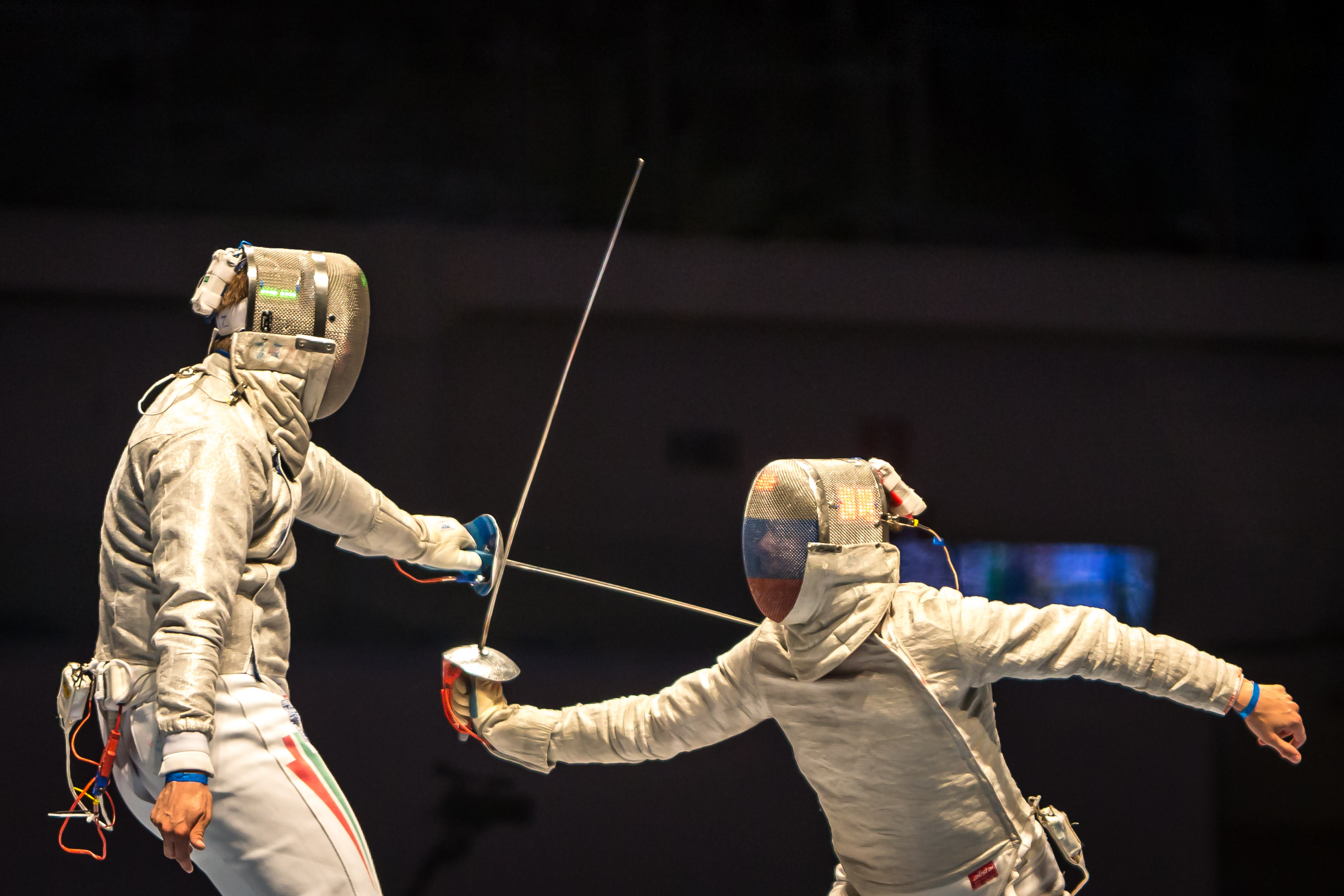
The Blame Game

Blame and Happiness

I went to a great workshop a few weeks ago put on by Dr. Sue Goldswain and John Boland. If you’re ever in the market for a marriage counsellor, they’re worth looking into.

One thing that stuck with me: it takes two people to build a relationship, and two people to take one down. If a marriage ends in divorce, both people played some part in that.

It was a relief to hear it wasn’t entirely on me.

It got me thinking, though. I hear a lot of different versions of how a marriage failed or is failing, and I’ve noticed something consistent: the person doing more of the blaming tends to be the one hurting more.

I know this because I lived it. I hated my ex when we first separated, and I was miserable. How could I have married someone so horrible? As the blame slowly faded, it actually turned into something closer to gratitude, and I got noticeably happier along the way.

How do you feel about your own relationship right now? If you’re doing a lot of blaming, is it actually fixing anything?

You Still have to Talk to them

photo-1451156351305-d4f9bff58036

You’ll Still Have to Talk to Them

From my very unofficial polling of people I meet, money and parenting issues are the two biggest causes of divorce. I had a slightly funny, slightly tragic conversation with a friend recently. We were commiserating over both having separated from our spouses because we couldn’t get on the same page about money or parenting. Then we looked at each other and said, at almost the same time: yup, and we still have to deal with our exes on exactly those two things, even now that we’re divorced.

For anyone newly separated, I’m sorry to be the one to tell you this.

That’s the irony. Getting divorced doesn’t get you out of discussing parenting and money with your ex. If anything, it requires more communication, not less, since you’re now doing it across two households instead of one, usually with someone you’re not especially motivated to talk to in the first place. You’ll likely hire lawyers and counsellors and spend real money figuring out how to communicate at all during the process. Then, once you finally have a separation agreement, you’ll spend a couple more years figuring out how actually to implement it. Because even when something is written down clearly, you and your ex will probably interpret it differently anyway.

When we signed our agreement, I felt such relief. I thought we finally had a map, something clear enough to settle every future parenting and money question. I was wrong. It was naive to think we’d suddenly interpret things the same way, when we’d never managed to before. We kept fighting over what individual sentences meant. Our kids kept getting caught in the middle.

The agreement itself never solved anything. The only thing that actually helped was learning to communicate with each other based on our individual communication quirks, needs, and values, something I resisted for a long time before finally adopting it, after a full year of being repeatedly blindsided by how differently my ex read the same words I’d read.

Eventually, you’re going to have to learn to actually communicate with your partner about the big things, parenting and money chief among them. The only real choice is timing: do it after things have already gone sideways, or do it proactively, before you build a life and a family with someone, to find out whether you actually can communicate with them at all.

Ex Flare-Ups

wii


Ex Flare-Ups

Some things in life flare up on you. No warning, no pattern you can predict; they’re just suddenly there.

That’s how I’ve come to think of dealing with my ex. Not constant, not even frequent, but when it happens, it happens fast and hits harder than you’d expect for something so infrequent.

I’ve noticed these flare-ups tend to cluster around the predictable stress points: birthdays, holidays, the usual suspects. And I have exactly as much control over the timing as you’d expect: none.

I know the honest counterargument here: I chose to marry him, and whether something he says or does actually counts as a “flare-up” is really just my own interpretation. It’s not an illness. It’s a reaction. That distinction matters, and I don’t want to pretend otherwise.

But the useful part of the comparison holds anyway: whether something is a genuine crisis or just my own reaction to it, having a strategy for managing the reaction still matters. So over time, I built one.

The flare-ups come on suddenly, out of nowhere, infrequent but sharp. I never see them coming. Instead, I built a response system for after they hit.

First, I write out my full, unfiltered, knee-jerk emotional reaction, everything, no editing, no restraint, in an email. I ensure the “to” field is empty before I even start typing, so there’s no chance of accidentally sending it to him. When I’m done, I send it to a dummy account of my own instead. I don’t fully understand why it works, but it does. Something about hitting send, even into the void, gets it out of my system.

Then I give myself time. I don’t run straight to my support network to vent about whatever the latest thing was, not for a few days at least.

I breathe. I try to meditate. I remind myself that things rarely turn out as badly as my imagination insists they will.

None of this makes the flare-up disappear. But it does take the edge off the worst symptoms, the sleeplessness, the short temper, all of it.

More importantly, it gets me to a place where I can actually deal with him productively. Before I had any of this in place, my instinct was either to fight or to avoid entirely. Fighting feeds the flare-up. Avoiding leaves you sitting in dread, waiting for the next one.

So this time, I emailed him and proposed we talk in person, with some ground rules set in advance to keep the conversation collaborative.

After a few conversations, things settled. We’re back in a good routine, and I’m still working on ways to keep these flare-ups further and further apart.